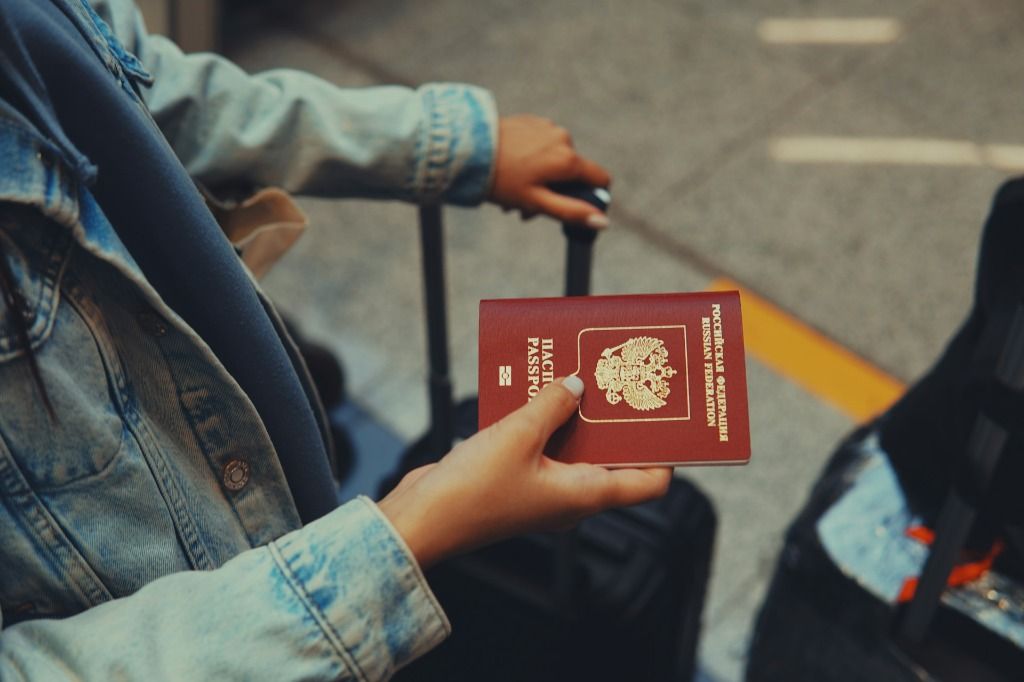
Securing your admission letter from a Polish university is an incredible milestone, but it is only half the battle. To actually begin your studies in Warsaw, Krakow, or Wroclaw, you must successfully navigate the Polish D-Type National Student Visa application process.
Every year, hundreds of qualified international students face unnecessary visa delays or outright rejections simply due to avoidable paperwork oversights. To help you protect your dream of studying in Europe, we have outlined the 5 most common visa application mistakes and how to avoid them.
1. Submitting Unverified or Improperly Translated Documents
One of the quickest ways to trigger a visa refusal is submitting documents that do not meet strict consular verification standards.
High school diplomas, university transcripts, and official certificates issued outside the EU generally require an Apostille or legalization from the issuing country’s Ministry of Foreign Affairs. Furthermore, any document not originally in Polish or English must be translated by a certified sworn translator (tłumacz przysięgły).
Document Verification Tip
Always check whether your home country requires an Apostille or consular superlegalization before scheduling your consulate appointment.
2. Flawed Proof of Financial Support
Consular officers need absolute proof that you can cover your living expenses, accommodation, and return travel without relying on unauthorized work in Poland.
Common mistakes include:
- Sudden lump-sum deposits: Transferring a large sum of money into your bank account a few days before printing your statement looks suspicious. Consulates prefer to see 3 to 6 months of steady transaction history.
- Underestimating required amounts: You must demonstrate sufficient funds covering your return journey (around 2,500 PLN), living costs (at least 776 PLN per month), and accommodation fees.
3. Purchasing Non-Compliant Health Insurance
Not all travel insurance policies meet the legal criteria for a Polish D-Type visa.
Inexpensive basic travel insurance often excludes essential medical procedures or fails to cover repatriation costs. Your policy must explicitly state coverage of at least €30,000 across all Schengen countries and cover emergency medical care, hospitalization, and medical repatriation.
Strict Insurance Rule
Ensure your insurance provider is on the official list of approved insurers published by the Polish Ministry of Foreign Affairs.
4. Waiting Too Long to Secure an e-Konsulat Appointment
Visa slots on the e-Konsulat platform fill up extremely quickly during peak summer months (July through September).
If you wait until late August to book your appointment, you risk missing the start of your orientation week or university classes. Start monitoring appointment slots as soon as you apply for your degree program.
5. Being Unprepared for the Consular Interview
In many regions, consular officers conduct a brief interview during your application submission.
If you cannot explain why you chose your specific university, what modules you will study, or how this degree connects to your future career, the consul may question your genuine academic intent.
Pro Tip for Interviews
Review your course syllabus and university profile before your appointment so you can speak confidently about your chosen program.
Secure Your Student Visa with Zero Stress
Navigating consular requirements on your own can feel overwhelming, but a single mistake could cost you an entire academic year.
At PolandEduStart, our Admission & Visa Service guides you through every step of the process. We audit all your documents, verify your financial proofs, and prepare you for your consulate interview so you can apply with 100% confidence.
Don’t risk your education. Book a Starter Consultation today and let our specialists handle your visa application!